Future of Voice Interaction in Connected Home Devices
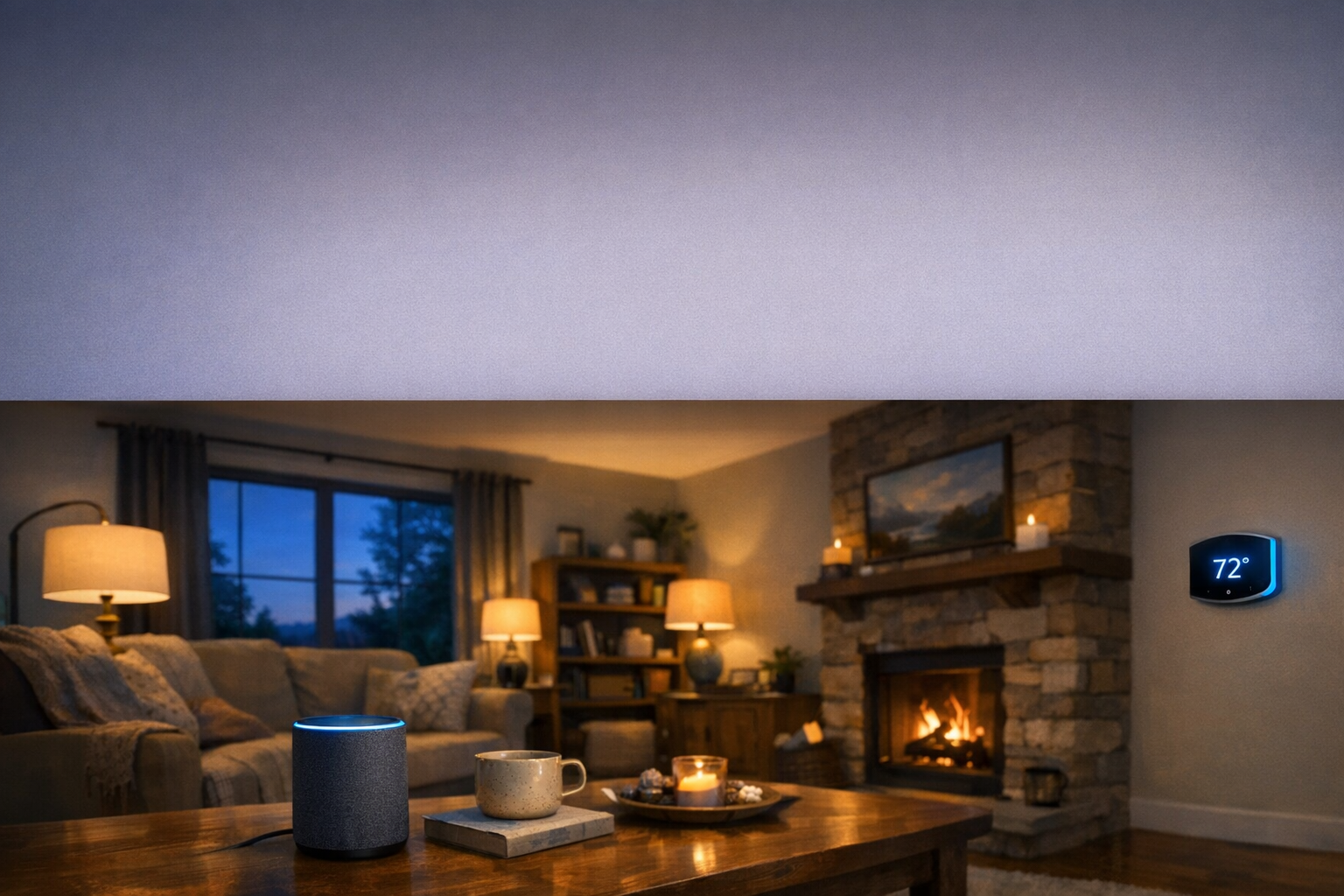
The future of voice interaction in connected home devices is about to get wildly smarter, faster, and eerily intuitive... imagine what happens next?
Future of Voice Interaction in Connected Home Devices
Have you ever told a smart speaker to turn off the lights, then waited through that tiny awkward pause, wondering if it even heard you? That pause says a lot. We already live with connected homes, but they still don't feel as smooth as the sci-fi version in our heads.
The future of voice interaction in connected home devices is getting closer to that vision. Not perfect. But much smarter, faster, and more natural. Here's what is changing, why it matters in real homes, and what you can realistically expect over the next few years.
Voice control is becoming more contextual, private, and local
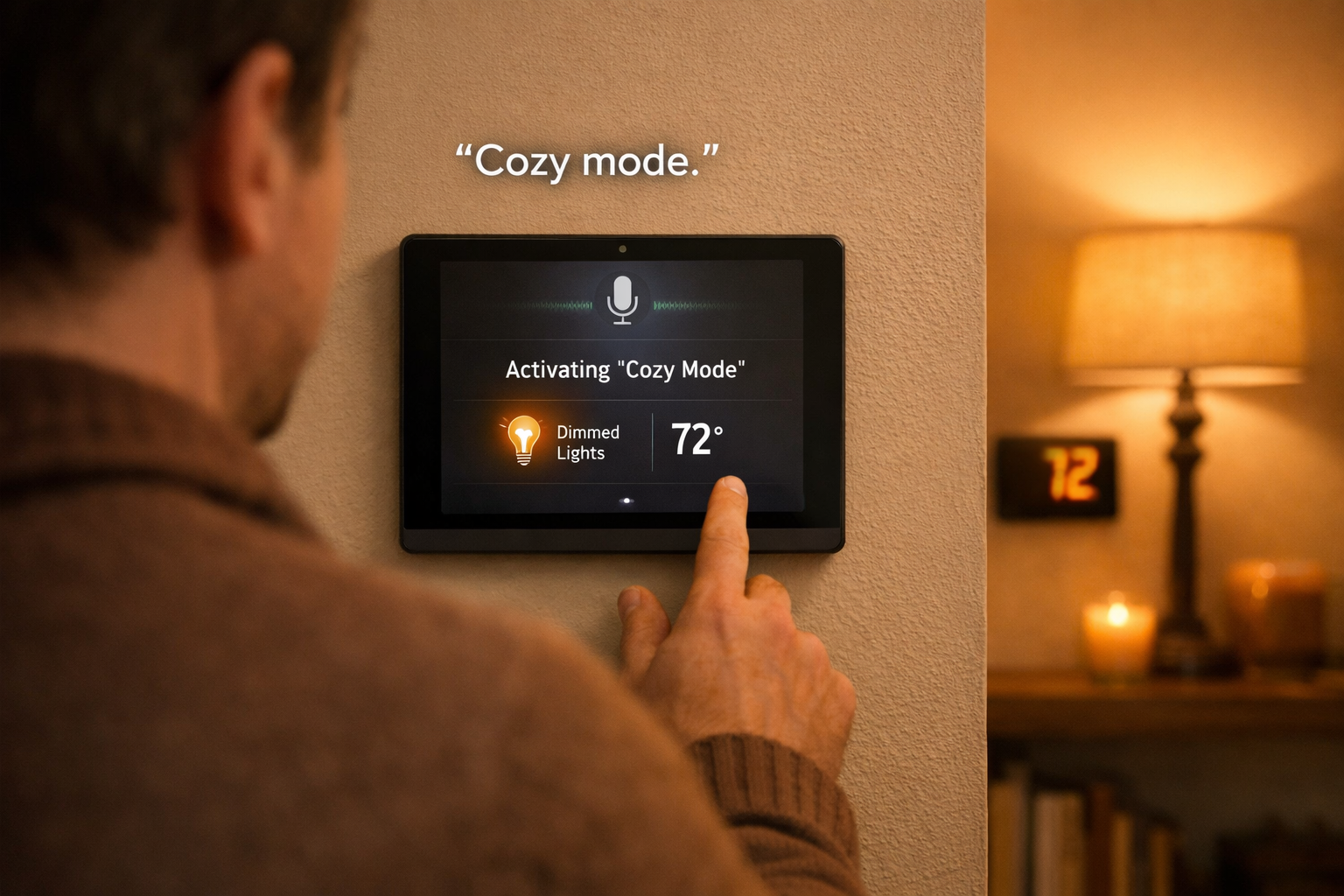
The short answer is simple. The future of voice interaction in connected home devices is moving toward systems that understand context, protect privacy better, support more languages, and process more commands locally inside the home.
That shift matters because today's voice control often works like a remote command line. You say the right phrase, in the right order, and hope the cloud gets it. Future systems will act more like ambient helpers. They won't just hear words. They'll use clues like time of day, the room you're in, which device you're facing, and what just happened a few seconds earlier.
So instead of saying, "Turn on the living room lamp to 30 percent and set the thermostat to 70," you may be able to say, "Make it cozy in here." The system could map that request to your usual evening lighting, temperature, and maybe even a music scene.
A big part of this change is local processing. That means more voice tasks happen on a hub, speaker, phone, or TV in your home instead of being sent to a distant server. The result is less lag, fewer dropped requests, and better privacy. It also means basic commands can still work when the internet is slow or down. That's a very real upgrade.
Why voice control still feels limited today
Most connected home voice systems still rely on wake words, cloud processing, and strict command patterns. You ask a speaker or phone to control lights, thermostats, TVs, speakers, cameras, or locks, and your request often travels to a remote server for interpretation before coming back as an action. That trip only takes a second or two, but you feel it. And when the wording is slightly off, or the room is noisy, things break. Have you ever noticed how a simple command like "turn on the fan" can fail if your home has two fans, or if one brand names it differently inside its app? That's a common problem. Voice assistants today are useful, but they still tend to work best when you adapt to them instead of the other way around. That's why smart homes can feel impressive one minute and oddly rigid the next.
The technologies changing smart home voice interfaces
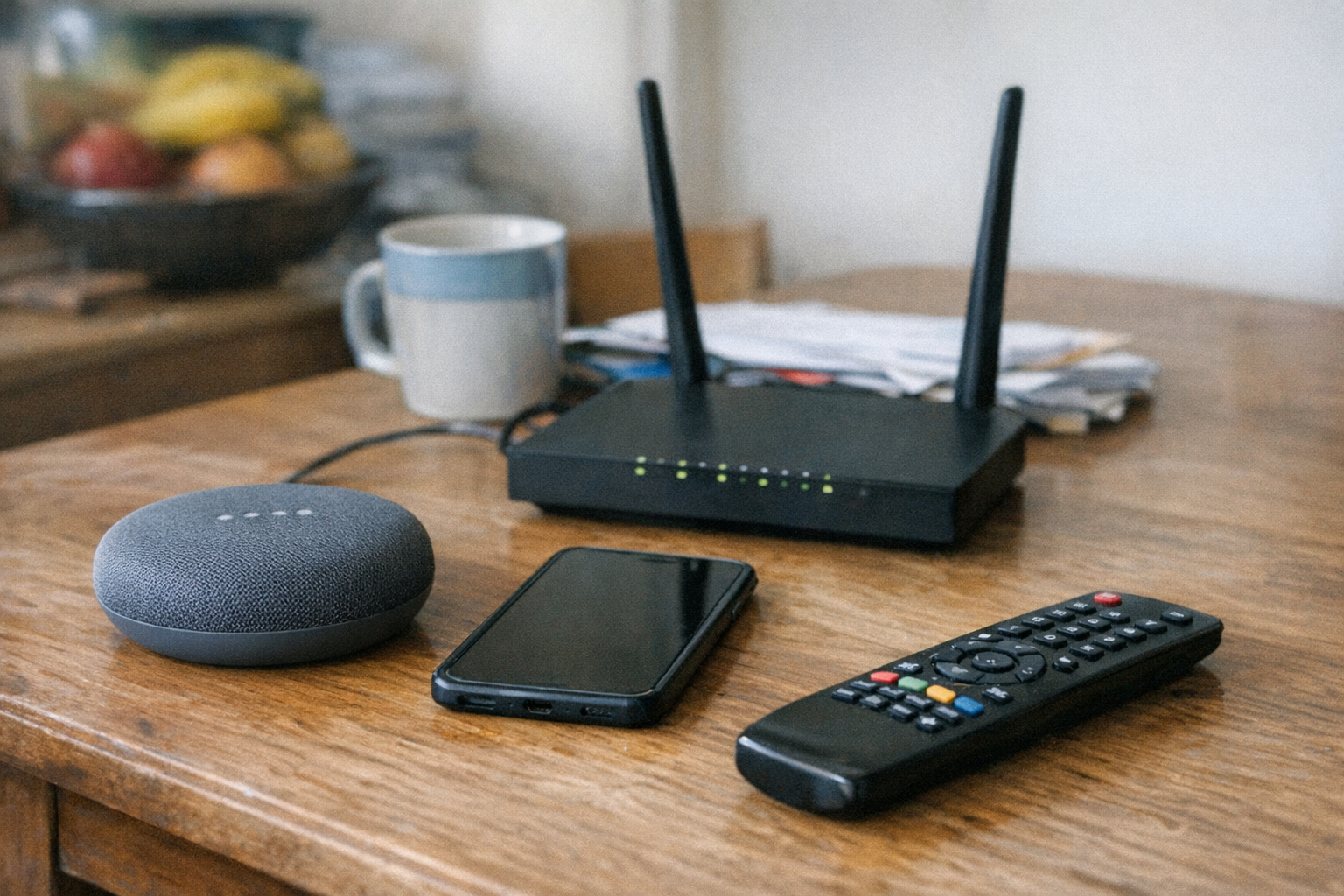
Several tech shifts are pushing voice forward at the same time. The biggest one is on-device AI. That's a smaller artificial intelligence model running directly on a speaker, hub, TV, or phone, so it can understand common requests without sending every word to the cloud. That cuts delay and keeps more data inside your home.
Edge processing helps too. This means decisions happen near the device instead of in a faraway data center. If you say, "Turn off the kitchen lights," a local hub can often handle that in a split second. For simple commands, that speed difference feels almost physical. Less waiting. Less repeating.
Multimodal interaction is another big change. It means voice works with other signals like touch, motion, location, or camera input. If a hallway sensor knows you just walked into the room, and your smart display sees the TV is on, your voice command can be interpreted with more accuracy. "Lower it" may refer to volume, not temperature.
Context awareness ties it together. The system learns patterns, like your weekday morning routine or which lamp you usually mean in a certain room.
And standards are finally improving. Matter, which started rolling out across consumer devices in the early 2020s, is helping products from different brands speak a more shared language. That doesn't solve everything, but it reduces fragmentation. And for voice control, that matters a lot. Fewer broken links means fewer failed commands.
Privacy and trust will decide adoption
Voice control only works at home if people trust it. That's the hard truth. Always-on microphones can feel eerie, even when they are only listening for a wake word, which is the short trigger phrase that activates the assistant.
Cloud-first systems often send more audio away for processing. That can improve complex understanding, but it also raises questions. What leaves the home. What gets stored. For how long. If those answers aren't clear, people use voice less, or stop using it at all.
Local-first systems change that feeling. Wake-word detection can happen on-device. Basic requests like turning on lights, pausing music, or running a bedtime routine can be handled locally. Voice profiles, which help the system know who is speaking, can also be stored on the device instead of in a remote account.
Short-lived audio buffers help too. That's a small rolling audio memory that exists just long enough to catch the command after the wake word, then disappears unless you choose to save it. Well, actually, this kind of design doesn't remove every risk, but it does reduce exposure.
Transparent controls matter just as much as the tech. A physical mic mute button, a visible listening indicator, and a clear log of what was heard can do more for trust than flashy AI promises. People don't need magic. They need clarity.
Multilingual access and everyday use cases
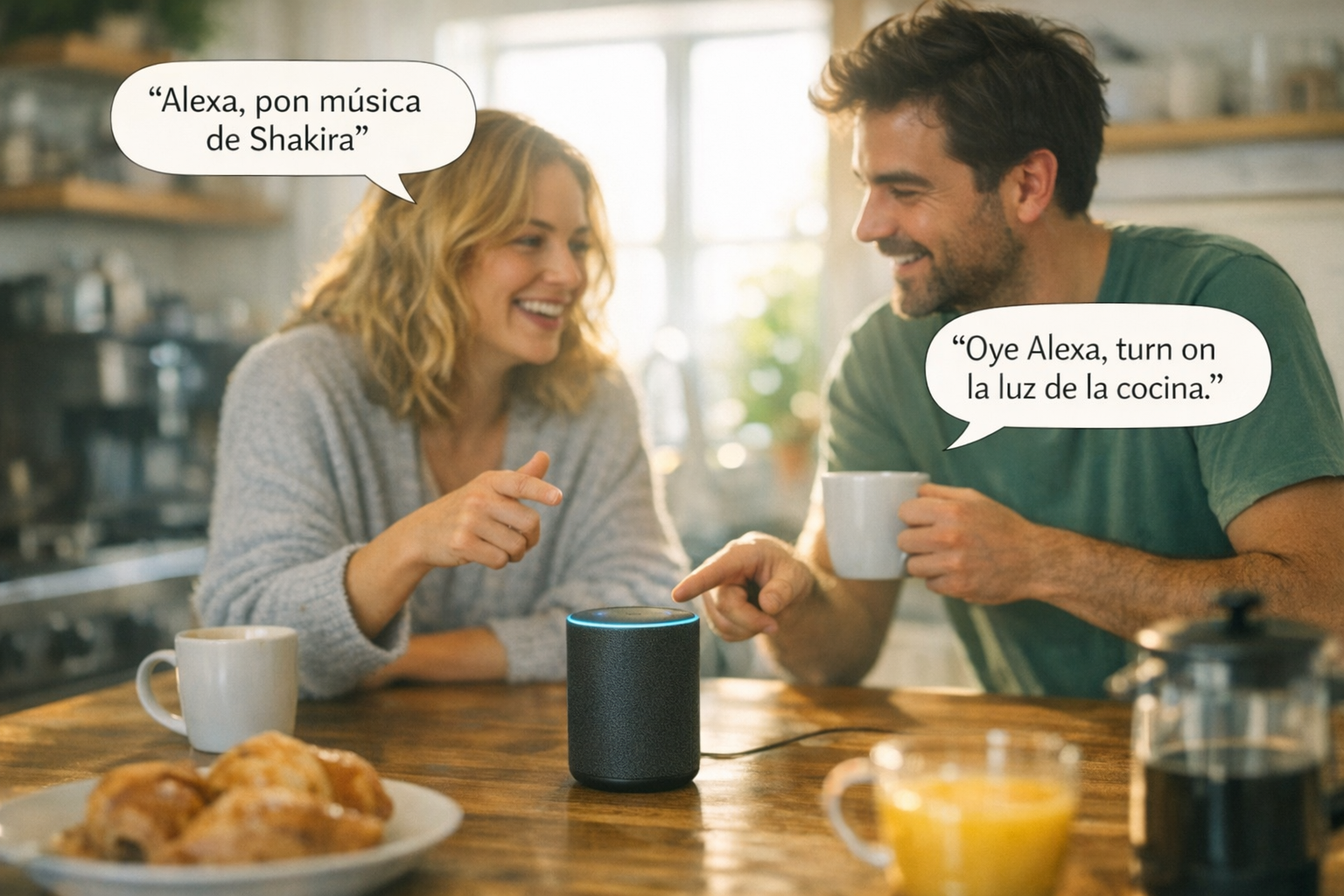
The future of voice interaction in connected home devices won't feel truly modern if it only works well for one accent, one language, or one speaking style. Real households are messier than that. Kids shorten phrases. Older adults speak more slowly. Many families switch between two languages in the same sentence without even thinking about it.
Better natural-language understanding is helping voice systems handle fuller requests instead of stiff commands. That makes homes easier to live in, not just easier to demo.
Common use cases where this helps most include:
- lighting changes across several rooms with one request
- climate control based on comfort, not exact numbers
- media control while cooking, cleaning, or holding a child
- security checks like asking whether a door is locked
- routines such as bedtime, away mode, or morning startup
Why natural conversation matters
Natural conversation means you won't need to memorize exact phrases. You should be able to say, "Dim the lights, start the fan, and play something calm," and get one smooth result. You should also be able to follow up with, "A little warmer," and have the system know you mean the room you're in.
That's a big shift. It turns voice from command input into something closer to a real interface. Still structured, of course, but far less brittle.
Where multilingual support helps most
Multilingual support matters most in mixed-language homes and shared spaces. Someone might say, "Turn off the sala lights and lock the front door," mixing English with a home language. A better system should handle that without confusion.
It also helps with accents and code-switching, which is when people move between languages in one conversation. For accessibility, this is huge. Users with mobility limits can control more of the home hands-free. People with low vision get clearer access to devices that might otherwise hide behind apps and menus. And children can interact more naturally, without needing perfect phrasing.
What to expect in the next 1-3 years
From 2025 to 2028, the future of voice interaction in connected home devices will likely show up as steady improvements, not one dramatic leap. But those improvements will be noticeable in daily life.
Here's the near-term arc:
- 2025 to 2026. More smart speakers, TVs, and hubs will run small local AI models for basic commands, routines, and speaker recognition. Expect faster replies and more offline-capable control.
- 2026 to 2027. Matter support should improve across more brands and categories, which means fewer app silos and more reliable cross-device voice control.
- 2027 to 2028. Conversational follow-ups should get better, with fewer repeated wake words and less need for exact command phrasing.
There are still limits. Background noise, similar device names, and unclear requests will keep causing failures. Security commands may stay more strict for safety reasons. And some advanced actions will still need the cloud.
But the pattern is clear. Homes are moving from voice as a fragile shortcut to voice as a stable layer across devices. The difference may sound small on paper. In a real kitchen, with running water and a half-finished dinner, it feels pretty big.
Final Words

Picture the next version of home voice control. Faster answers. Fewer repeated commands. More privacy. Better support for the way real people actually speak. That's where the future of voice interaction in connected home devices is heading.
It won't become perfect overnight. Noise, brand conflicts, and edge cases will stick around for a while.
Still, the direction is solid. Voice is becoming less robotic and more useful, more local and more trusted. And as that shift settles in, connected homes may finally start to feel as seamless as they always promised.
FAQ
What will voice interaction in connected home devices look like in the near future?
It will feel more conversational, more context-aware, and less dependent on exact phrasing. More commands will run locally, so responses should be faster and require fewer retries.
Will connected home voice assistants become more private and reliable?
Yes, likely. On-device processing, shorter audio retention, better wake-word detection, and clearer privacy controls should improve both trust and reliability, though results will depend on how each brand implements them.
What are the biggest barriers to better voice control in smart homes?
The main barriers are background noise, accents, vague requests, fragmented device ecosystems, and uneven support across brands. Even with better AI, those real-world issues still make voice control harder than it looks in ads.