Brain-Computer Interfaces and Everyday Device Control
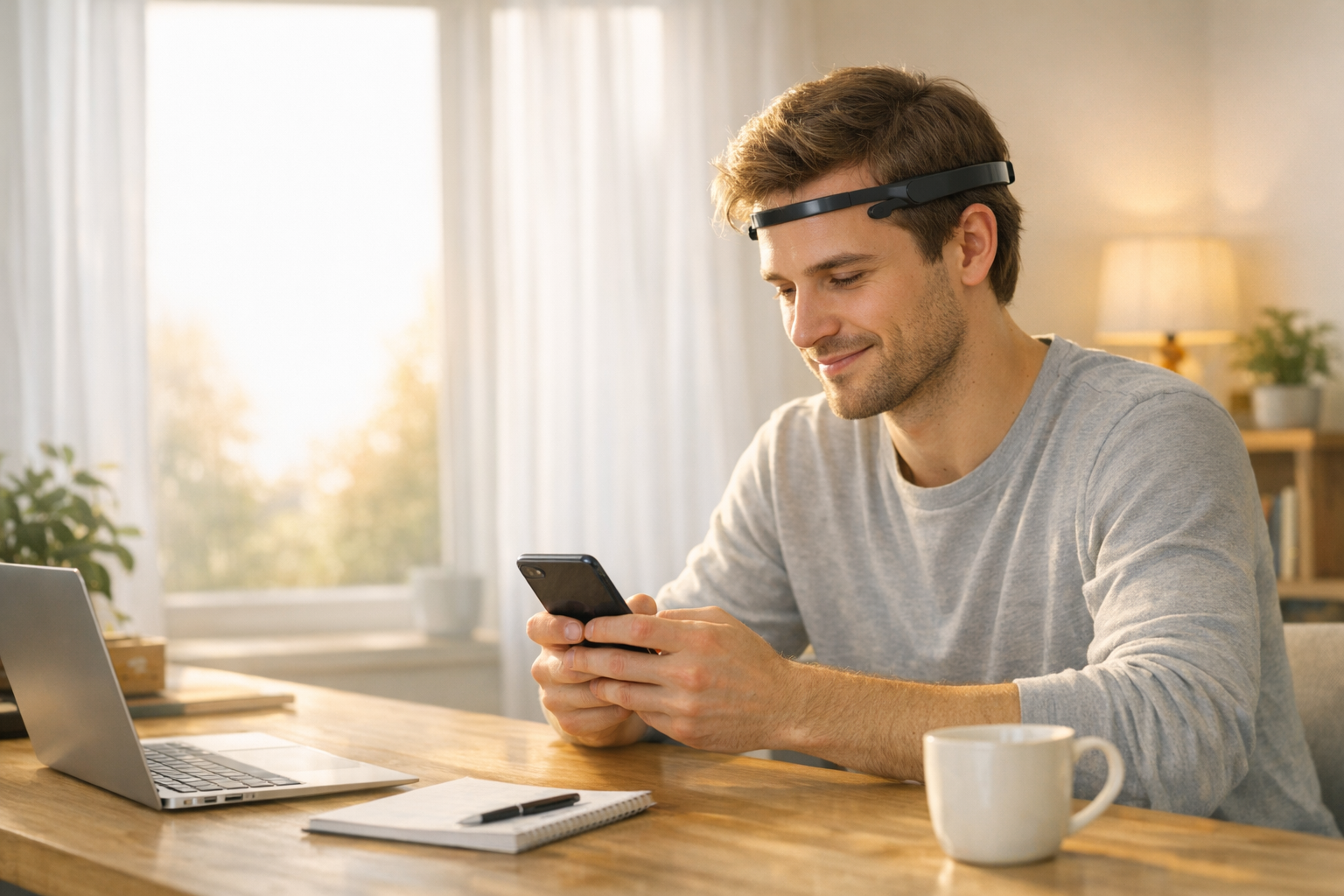
Imagine controlling your phone, lights, or laptop just by thinking—no taps, no swipes, no shouting. But there’s a catch...
How Brain-Computer Interfaces Could Change Everyday Device Control
What if your phone understood a choice before your hand even moved? That core idea sits at the center of how brain computer interfaces could change everyday device control. BCIs could let people control devices with neural signals instead of taps, swipes, or wake words.
That sounds futuristic because it is. But parts of it are already real in clinics and research labs. The bigger question is what happens when that kind of control moves closer to daily life. Here's what BCIs actually do, what works now, and what still stands in the way.
A Direct Glimpse of the BCI Future
At the simplest level, brain-computer interfaces could let you control everyday devices by turning patterns of brain activity into commands. So instead of touching a screen, speaking to a voice assistant, or waving your hand, you might select, pause, scroll, or confirm with a trained mental signal.
That doesn't mean your phone will read your thoughts like a sci-fi movie. BCIs don't pull full sentences out of your mind. They detect signals linked to intention, focus, or response, then software maps those signals to a small set of actions. Think less mind reading, more signal matching.
If this becomes reliable, everyday control could feel quieter and faster in certain moments. You might skip a song while carrying groceries, approve a smart home command without speaking, or move through an AR screen with less physical effort. But most consumer use is still early. Today's best results are usually narrow, trained, and often built for medical or assistive settings first.
What a Brain-Computer Interface Actually Does
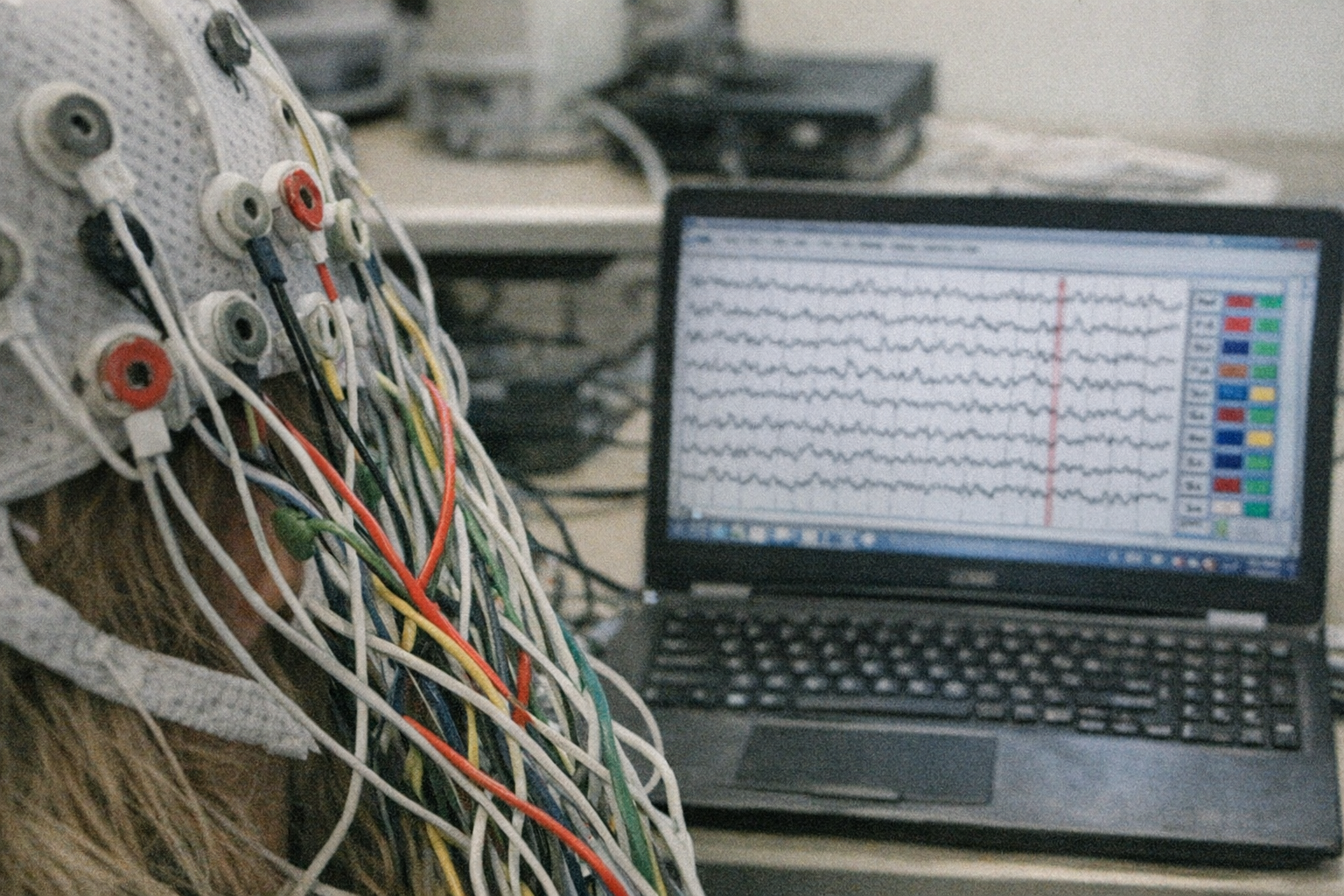
A brain-computer interface is a system that reads brain activity and turns it into an action on a device. That's the plain version. It usually works in three steps.
First, a sensor captures brain signals. This could be a headset on the scalp, or in some cases a device placed inside the body. Second, software looks for patterns tied to a task, like focusing on one option or trying to move a cursor. Third, the system converts that pattern into a command, such as click, move, select, or spell a letter.
It's a bit like teaching a device your personal control language. Not words. More like repeatable signal shapes.
This is why how brain computer interfaces could change everyday device control is such an interesting question. If a system can reliably detect intent, it could sit beside touch, voice, and motion as another input method. But we're not at a point where most people can throw on a sleek headset and run their whole digital life by thought alone. Signal quality, setup, and training still matter a lot.
Where BCIs Already Work Today
Clinical communication and cursor control
BCIs already help some people communicate and use computers, especially people with paralysis. In research and clinical settings, users have controlled a cursor, selected letters on a screen, and used spelling systems to form words and short messages. In some studies from the early 2020s, implanted systems reached typing-like speeds measured in dozens of characters per minute, though results vary a lot by user and setup.
Non-invasive systems, like EEG headsets that sit on the scalp, can also support cursor selection and spelling. They usually work more slowly and need more setup, but they show that useful control is possible without surgery.
| Use case | What the user controls | Typical performance | Typical setting |
|---|---|---|---|
| Cursor control | Move and click a pointer | Limited but usable accuracy after training | Research lab or clinic |
| Spelling systems | Select letters or words | Often slower than normal typing | Assistive communication |
| Communication support | Pre-set phrases or text output | Practical for basic needs | Medical and rehab settings |
These systems matter because they prove the basic loop works. Detect signal. Classify intent. Trigger action.
Assistive device control and practical demos
BCIs have also been used to guide assistive devices like robotic arms, wheelchairs, and digital switches. Some demos let users choose direction, grab an object, or trigger a simple movement. I once wondered if that sounded too fragile to matter. But for someone who can't rely on hands or speech, even one steady command can change daily life.
Most of these systems are still customized. They often need calibration, close supervision, and controlled environments with less noise and fewer distractions.
So, yes, they're real. But they're not yet plug-and-play consumer tools. They show feasibility, not mass-market readiness. That's a big difference.
How Everyday Device Control Could Change in Practice
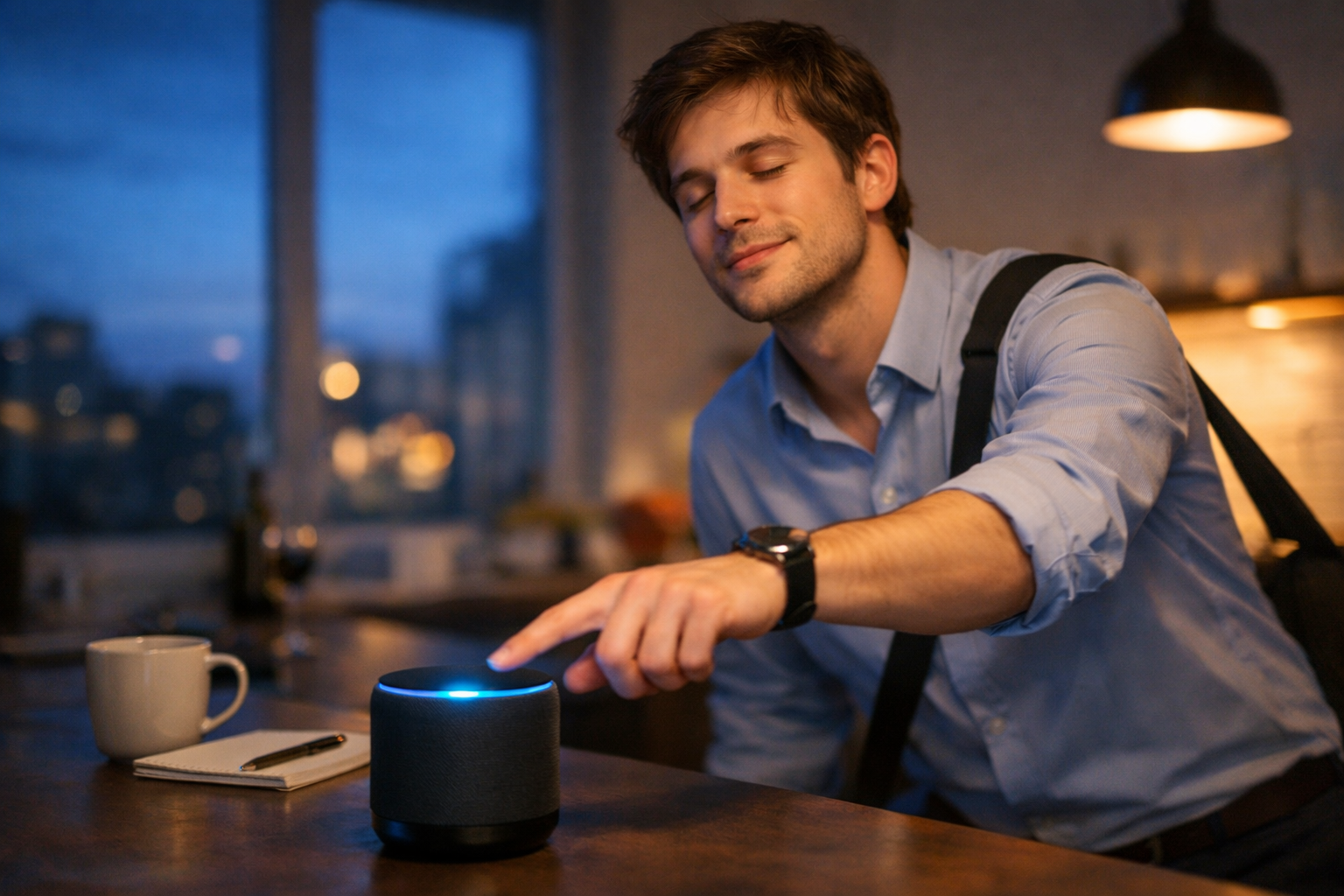
If BCIs become good enough, the first changes will likely be small and practical. Your phone might let you confirm a notification, answer a call, or move through menus without lifting a finger. Headphones could pause, skip, or switch noise control modes through silent commands. Smart home systems might respond to a quick intentional signal when your hands are wet, full, or busy.
Wearables and AR or VR devices could change even more. Instead of poking at tiny controls or speaking out loud in public, you might select items with a glance plus a brain signal. That pairing could feel natural, almost like pointing with attention. During a commute, you could move through music, maps, and messages without pulling out a phone. During work, you might jump between windows or tools with less physical friction.
This is where how brain computer interfaces could change everyday device control becomes more than a cool idea. It's about reducing effort in the moments when touch and voice feel clumsy.
How BCIs compare with touch and voice
Touch will still win for speed in many tasks. A tap is simple, cheap, and very reliable. Voice is also strong when you need a full command, like setting a timer or dictating a message.
But BCIs could beat both in narrow situations:
- When your hands are occupied
- When you need privacy and don't want to speak
- When subtle control matters, especially in AR or VR
So the near future probably isn't BCI instead of touch or voice. It's BCI beside them.
What Is Feasible Now Versus What Is Still Experimental
Invasive BCIs
Invasive BCIs use implants to pick up signals closer to the brain. That usually means stronger, cleaner data and better precision. In recent research, implanted systems have enabled more accurate cursor control, faster text entry, and more responsive assistive actions than most non-invasive tools.
But surgery changes the equation fast. Cost, medical risk, long-term maintenance, and regulation all make invasive BCIs a poor fit for broad consumer use right now. They're most realistic where the benefit is very high, especially for severe motor impairment.
Non-invasive and hybrid BCIs
Non-invasive BCIs use external sensors, often EEG, to read brain activity through the scalp. Hybrid systems combine brain signals with other inputs like eye tracking, muscle signals, or context-aware software. Wait, let me clarify. Hybrid often means the brain signal doesn't do all the work by itself, and that's actually a strength.
| Approach | Maturity today | Comfort | Accuracy | Likely consumer use |
|---|---|---|---|---|
| Invasive | Strong research progress | Low for general consumers | High potential | Assistive and medical first |
| Non-invasive | More accessible | Medium to high | Lower than implants | Simple commands, wellness, basic control |
| Hybrid | Most practical near term | Medium | Better than brain-only wearables in many cases | AR, wearables, shortcuts, accessibility |
For consumers, hybrid systems look most realistic in the next few years. They ask less of the brain signal and let software fill in the gaps.
What Still Blocks Mass Adoption
The hardest problem is reliability. Brain signals can change from minute to minute. Sweat, hair, movement, background electronics, and simple fatigue can all add noise. So a command that worked in a quiet room at 9 a.m. might fail on a crowded train at 6 p.m.
Latency is another issue. If a device takes too long to respond, the experience feels broken. Everyday control needs to feel instant, or close to it. Comfort matters too. Most people won't wear a bulky headset just to skip a song or dim a lamp.
Then there's privacy. Brain data is deeply personal, even if today's systems only read narrow patterns. Who stores that data. Who can analyze it. Could a bad actor spoof a command or misuse signal patterns tied to attention or stress. Those questions need real rules, not vague promises.
And training is still a hurdle. Many BCI systems work best after repeated calibration sessions. That's fine in a lab. It's a lot less appealing in a kitchen, office, or morning commute.
When BCIs Could Become Practical for Mainstream Everyday Control
The path to mainstream use will likely come in phases, not one big leap. First, we'll see niche features in wearables, accessibility tools, and AR or VR systems. These will focus on simple actions like confirm, select, pause, and mode switching. That stage is already taking shape.
Next, better sensors and faster software will need to reduce setup time and improve signal consistency. Operating systems will also need built-in support, so BCI commands can work across apps the way touch, keyboards, and voice already do. Privacy rules will have to mature at the same time, especially around storage and consent.
A realistic timeline for how brain computer interfaces could change everyday device control looks gradual. Over the next few years, expect limited consumer features and stronger assistive use. Broader everyday control, where BCIs feel normal across phones, homes, and wearables, probably needs sustained progress over the rest of this decade and beyond. Not impossible. Just slower, and more layered, than the flashiest headlines suggest.
Final Words
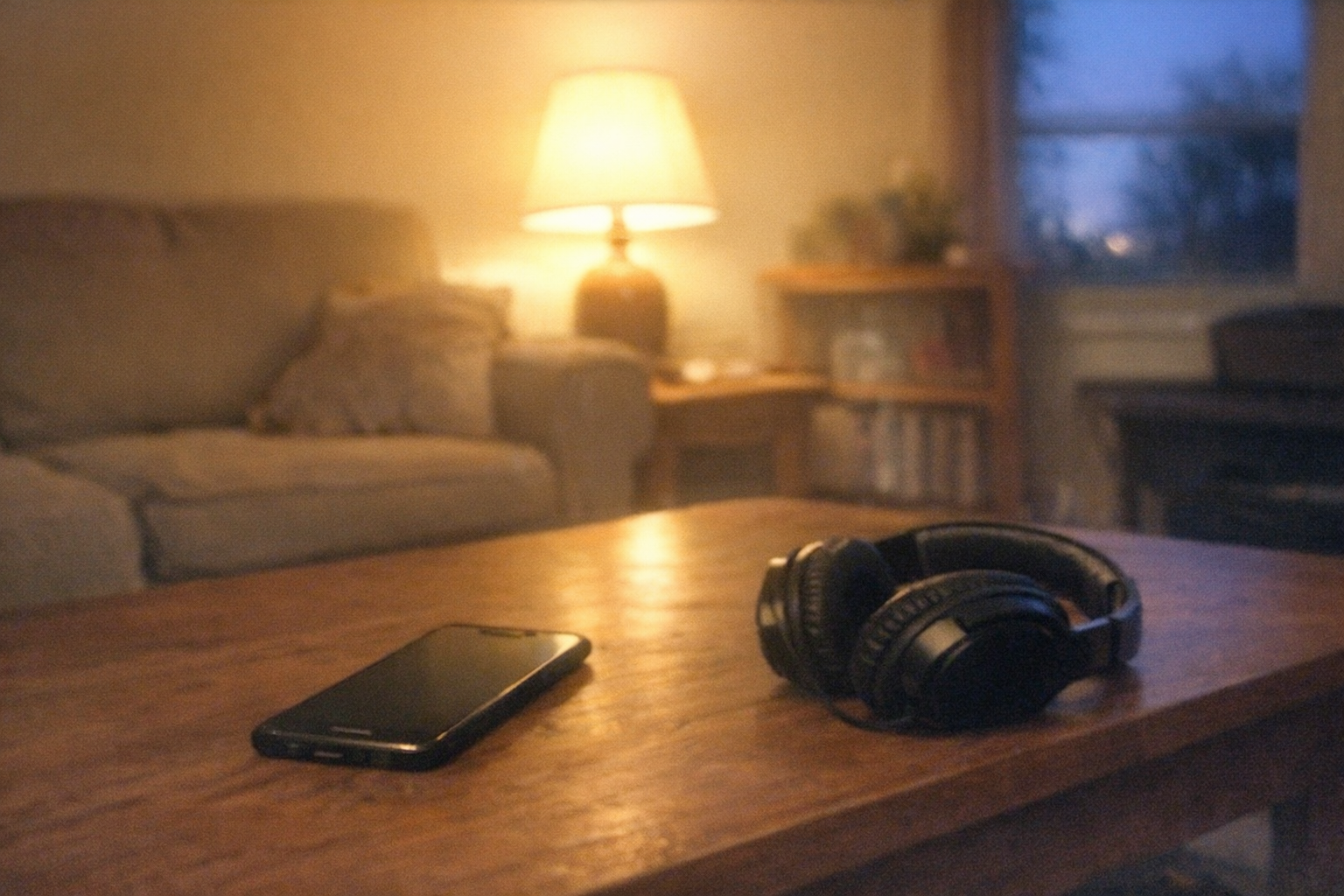
Picture the small moments first. A silent pause command in your headphones. A smart light change without reaching for a switch. A cursor move driven by intent.
That's the real shape of how brain computer interfaces could change everyday device control. Not magic mind reading. Smarter input, built step by step.
The tech already proves useful control is possible. Now it needs better comfort, trust, speed, and accuracy. If those pieces come together, BCIs could become one of the most futuristic and practical ways we interact with devices.
FAQ
How do brain-computer interfaces control devices without movement?
BCIs measure brain activity, look for patterns linked to intent, and translate those patterns into commands like select, move, or pause. Most systems need software training so the device learns which signals match your actions.
What everyday devices could BCIs control first?
The most likely early targets are phones, headphones, smart home devices, wearables, and AR or VR interfaces. Simple tasks like selecting, pausing, scrolling, and switching modes are more realistic than full hands-free computing at first.
Are brain-computer interfaces safe and practical for consumer use?
Some non-invasive systems may become practical for limited tasks, especially when paired with other inputs. But broad consumer adoption still depends on better safety, comfort, privacy, reliability, and lower cost.