How digital habits are evolving with AI tools
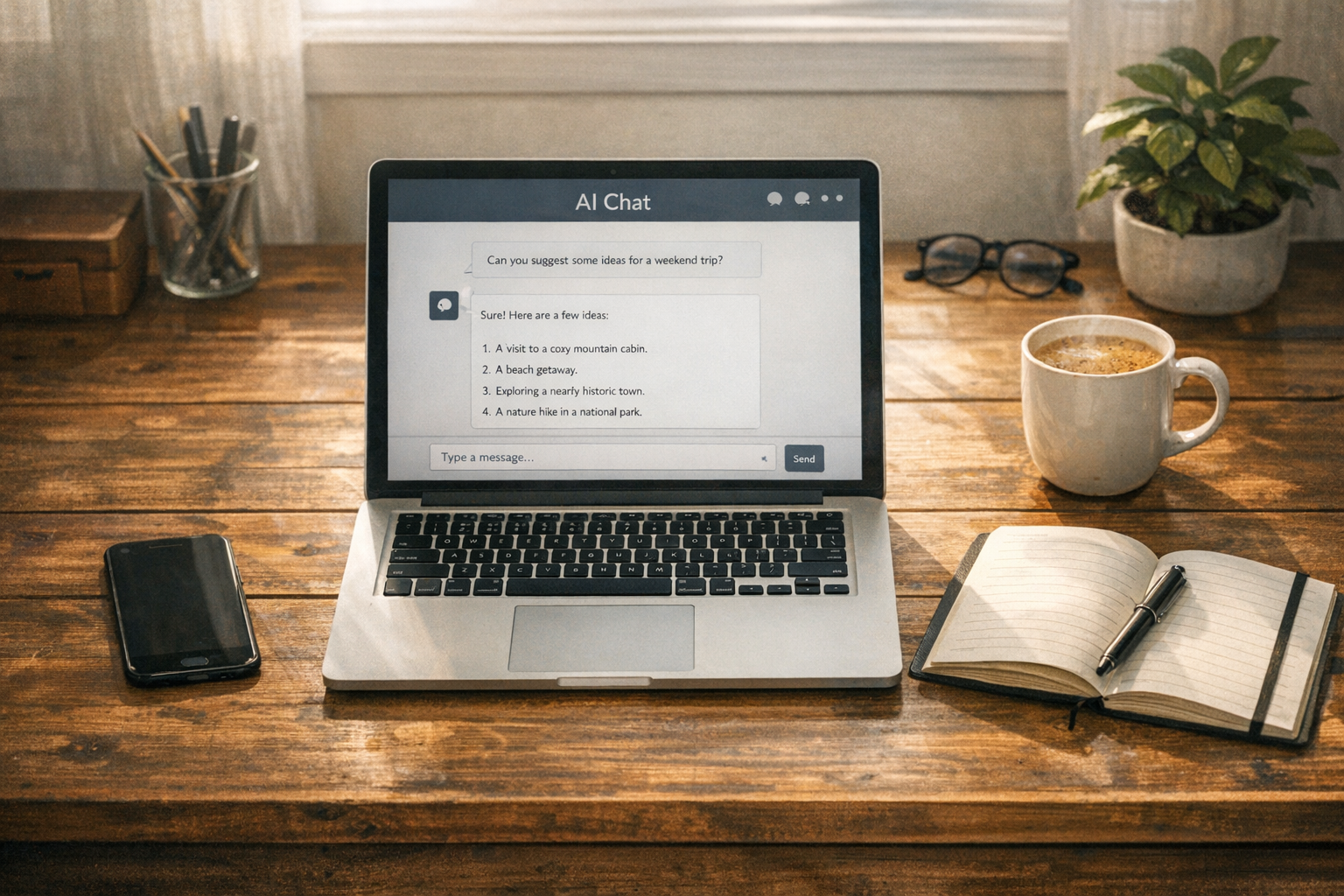
Daily AI use is quietly remixing how we search, write, and decide—often before we even notice what’s changing next...
How Digital Habits Are Changing With Daily AI Use
Have you ever noticed how one small tool can quietly change your whole routine? You open a browser to look something up, then instead of hopping across six tabs, you ask an AI to give you the short version first. That tiny shift adds up.
That’s really the heart of how digital habits are evolving among people who use AI tools daily. People are moving from manual, search-first routines to faster AI-assisted habits built around summaries, drafts, decision support, and small task automation. Here’s what that change looks like, why it’s happening, and where it matters most.
A faster, AI-assisted way of doing everyday digital tasks
When people talk about digital habits, they mean the small actions they repeat online every day. Searching, writing emails, planning a trip, taking notes, browsing articles, organizing work, sending messages. The ordinary stuff.
What’s changing is simple. People who use AI often are starting fewer tasks from scratch. Instead of searching first and reading five pages, they ask an AI for a summary first. Instead of staring at a blank message box, they generate a draft and edit it. Instead of manually listing out next steps, they ask for a quick plan.
That’s the direct answer to how digital habits are evolving among people who use AI tools daily. The shift is from manual effort to assisted momentum.
You can see it in small moments. A student asks for a chapter summary before reading the full text. A worker rewrites a stiff email in a warmer tone. Someone planning a weekend gets a first-pass itinerary in seconds. None of this removes human choice. But it changes the starting point.
And that starting point matters. It means people spend less time gathering and formatting information, and more time reviewing, choosing, and refining.
How digital habits are evolving among people who use AI tools daily

The clearest change is that digital behavior is becoming more conversational. Old habits were built around keywords, tabs, and manual sorting. New habits often begin with a plain-language prompt. People type full questions now, more like talking than searching.
That changes the rhythm of online life. Search sessions get shorter because an AI can compress the first layer of research. Writing gets faster because the blank page is no longer the main barrier. Planning gets lighter because small decisions can be offloaded, like making a to-do list, outlining a meeting agenda, or comparing options.
You can think of it like switching from chopping every ingredient by hand to using a smart kitchen tool. You still cook. You still decide the flavor. But the prep work shrinks.
Daily AI users also browse differently. They may scan fewer full pages, save fewer bookmarks, and spend more time checking whether the AI summary sounds right. That’s useful, but it also changes attention. You move from deep page-by-page exploration to quick passes and selective verification.
So, how digital habits are evolving among people who use AI tools daily is not only about speed. It’s about a new order of operations. Ask first. Review second. Dig deeper only when needed.
What changes first in everyday digital behavior
The first habits to shift are usually search, writing, and planning. They’re the easiest places to save time, and people feel that difference fast. A traditional search session might involve multiple tabs, note copying, and a lot of skimming. With AI, many users now start with one conversational prompt, then use the answer to decide whether they need the original sources.
That pattern shows up in email too. A rough draft that once took 15 minutes can take 3 minutes with AI help. Note-taking changes in a similar way. People drop in messy points from a meeting, then ask for a cleaner summary with action items. Even browsing feels different. Instead of reading full articles front to back, users often ask for the key ideas first.
The wider data fits this pattern. ChatGPT reached 100 million monthly users unusually fast after launching in late 2022, which signaled huge public interest. In 2024 and 2025, Google pushed AI Overviews into search, bringing AI-style answers into a habit billions already had. Surveys through 2024 showed many adults had tried AI chatbots at least once, but daily use stayed much more concentrated among smaller groups, especially younger adults and office-based knowledge workers.
That split matters. Awareness is mainstream. Daily behavior change is still more intense in a smaller, highly active group. And that group is already showing what broader digital habits may look like next.
Why AI is reshaping routine digital work
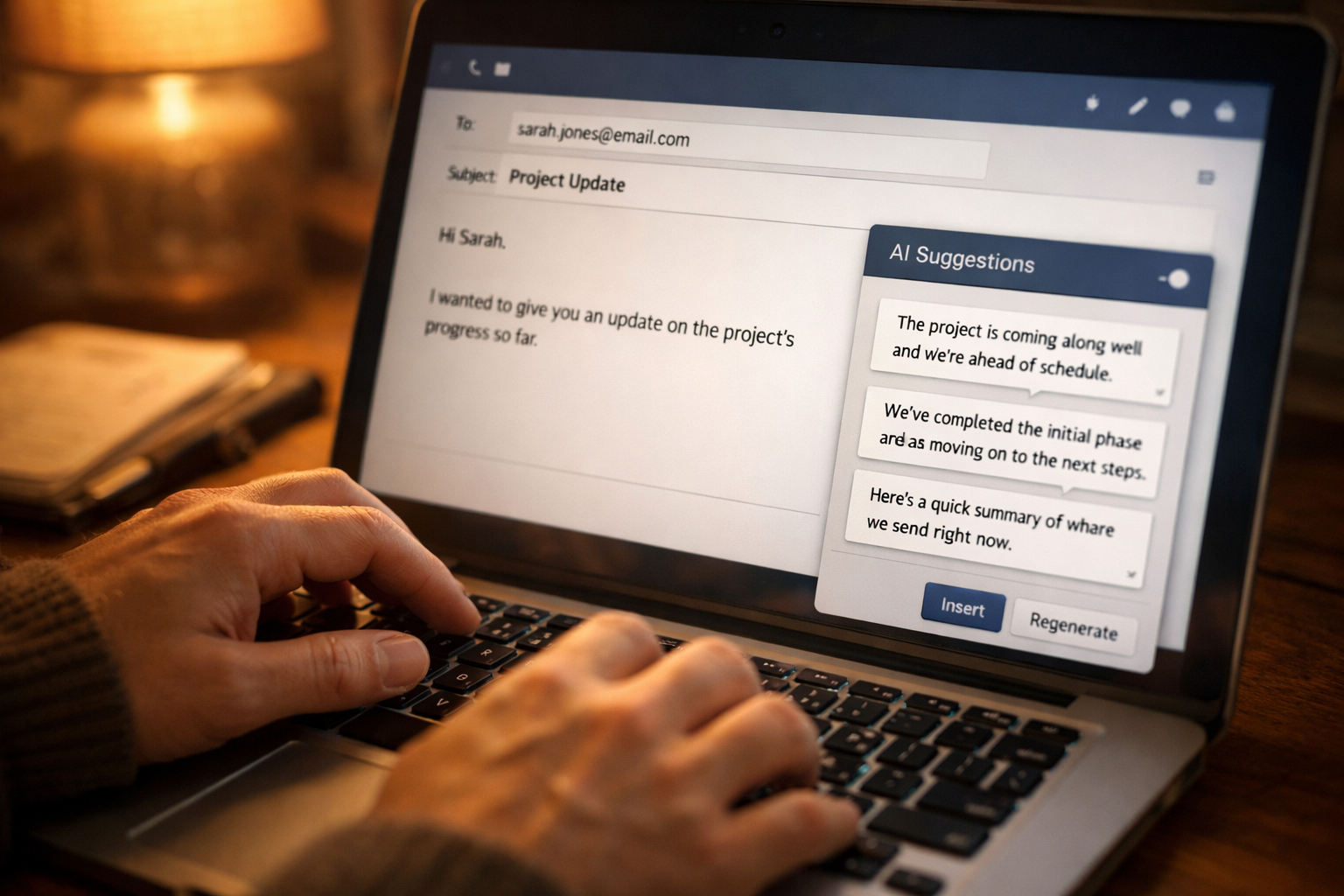
The short answer is friction. AI removes some of it.
A lot of digital work isn’t hard because it’s deep. It’s hard because it’s repetitive. Reword this message. Shrink that article. Turn rough notes into a clean outline. Compare three choices. Pull out next steps. AI is good at this first-pass work, so people use it to reduce small mental chores.
That matters more than it sounds. When the path from idea to action gets shorter, habits change around it. You stop thinking, “I need time to start this,” and start thinking, “I can get a draft in 30 seconds.” That lowers resistance. And once a habit feels easy, it repeats.
Workplace software pushed this even further in 2024 and 2025. AI became built into email tools, document apps, search engines, meeting software, and team platforms. So people didn’t need to go somewhere special to use it. The help layer was already there, sitting inside the tools they opened every morning.
Well, actually, that’s one of the biggest reasons this shift feels so fast. AI stopped being a separate experiment and became part of normal workflow. For many workers, it now acts like a first filter. It summarizes, drafts, and organizes before the human does the final check.
Where daily AI use shows up most often
The habit shift is easiest to spot in search, messaging, drafting, planning, and routine office work. These are the places where speed matters and the risk feels manageable. If an AI gives you a rough itinerary, a cleaner email, or a meeting summary, that often feels helpful right away.
Recent workplace reports and consumer surveys from 2024 and 2025 suggest the strongest daily use comes from knowledge workers, younger adults, and people already comfortable with digital tools. That makes sense. These groups spend more time in text-heavy environments where AI can save minutes over and over again.
In search, people ask broader questions and expect direct answers. In messaging, they rewrite tone, shorten text, or generate replies. In content drafting, they use AI to create first versions of blog outlines, reports, captions, or proposals. In planning, they build checklists, travel plans, schedules, and shopping comparisons. In work tasks, they prepare meeting notes, summarize long documents, and sort next actions from messy input.
You can almost hear the difference in the routine. Fewer clicks. Less tab switching. More prompt, response, refine. That’s a very visible sign of how digital habits are evolving among people who use AI tools daily. The flow feels smoother, but also more dependent on the tool being right.
Benefits and tradeoffs of AI-assisted habits
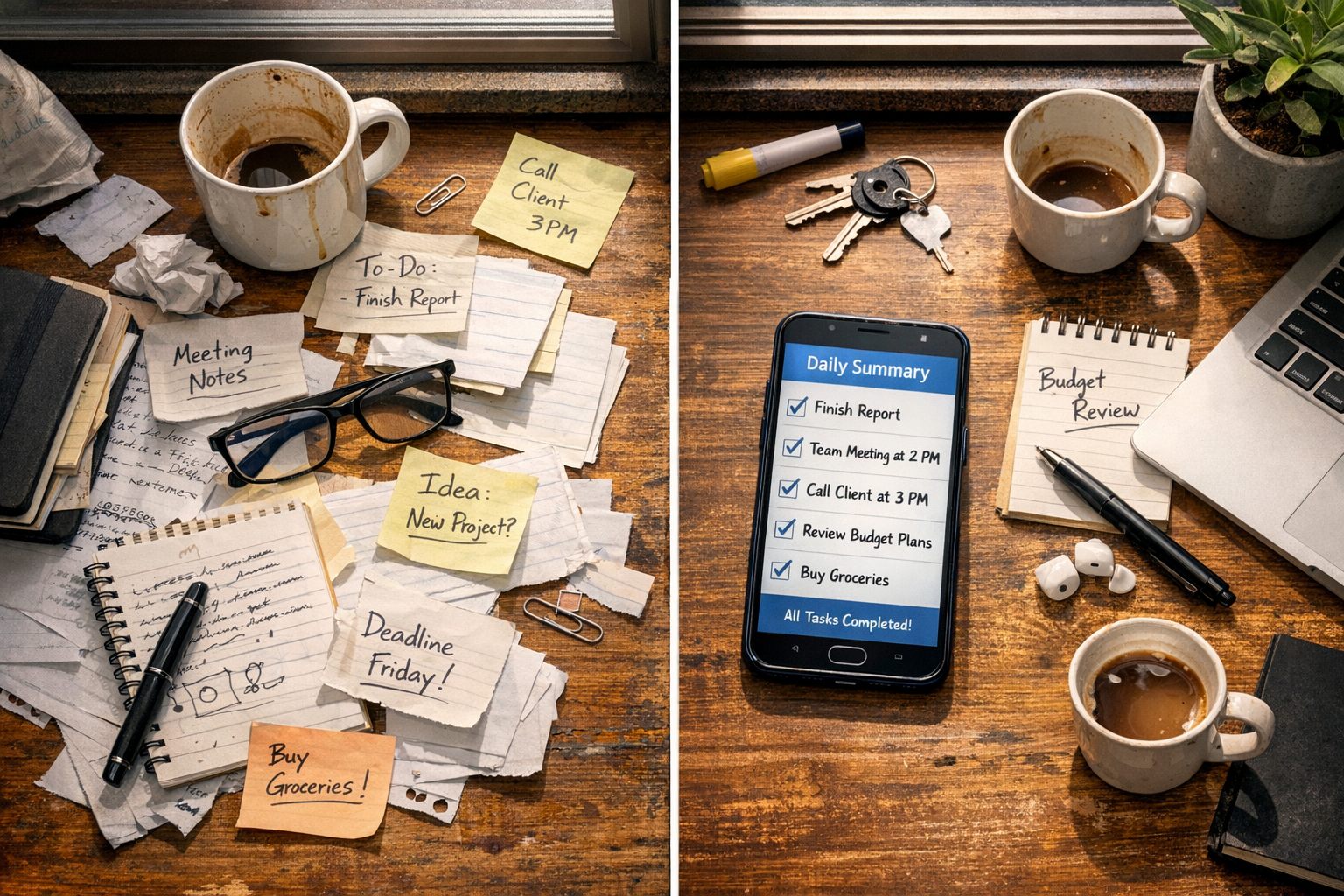
The upside is easy to feel. AI saves time, reduces blank-page stress, and helps people turn rough thoughts into usable output faster. It can improve clarity too. A confusing email becomes cleaner. A long article becomes manageable. A scattered idea becomes a plan.
But the tradeoffs are real, and they show up quietly.
- Speed can hide mistakes. AI answers often sound confident even when they’re wrong.
- Summaries can flatten nuance. You get the outline, but miss the texture and context.
- Convenience can reduce checking. When the first answer feels smooth, people may skip the source review.
- Repeated delegation can weaken memory. If the tool always recalls, rewrites, and organizes, you may retain less of the original material.
That last point is subtle. Think about using GPS every day. You still get where you need to go, but sometimes you stop noticing the streets. AI can create a similar effect with information. You finish the task, yet remember less of how you got there.
Healthy use means keeping the benefit while staying alert. Fast doesn’t always mean finished. Clean wording doesn’t always mean correct. And a good summary isn’t the same as real understanding.
How to evaluate your own AI habits
If you use AI a lot, a simple self-audit can tell you whether it’s helping or quietly making you sloppy. You don’t need a big system. Just check your routine in a calm, honest way.
- Pick three tasks you often do with AI, like search, email drafting, or note summaries.
- Compare one AI-assisted version with a manual version. Check time saved, quality, and how much you actually understood afterward.
- Verify key facts against the original source, especially for numbers, names, health topics, money, or legal questions.
- Notice where AI introduces repeat errors, like wrong tone, missing context, or made-up details.
- Keep human review for high-stakes decisions, sensitive messages, and anything that could affect trust or safety.
That’s the practical side of how digital habits are evolving among people who use AI tools daily. The goal isn’t to reject the tool. It’s to know where it works best.
A good rule is simple. Let AI handle the first draft, the rough sort, or the quick summary. Let humans handle judgment, verification, and final responsibility. If you keep that line clear, the habit stays useful instead of controlling the process.
Final Words

The shift is already here. How digital habits are evolving among people who use AI tools daily comes down to one big change. People are spending less time starting from zero and more time reviewing, refining, and deciding.
That can make digital life feel lighter and faster. But it works best when the human stays in charge. Use AI to cut friction, not to replace thinking. The future-looking habit isn’t blind trust. It’s deliberate speed, clear judgment, and smart use of the tools in front of you.
FAQ
How are digital habits changing for people who use AI tools every day?
Daily routines are moving from manual searching and drafting to AI-assisted summarizing, writing, planning, and task delegation. People also use more conversational queries and often reach a usable first draft much faster.
Which daily activities are most affected by AI-assisted behavior?
Search, email and message drafting, brainstorming, planning, browsing, note-taking, meeting prep, and document creation are changing the most. These tasks are easy to speed up because AI can organize, summarize, and draft quickly.
What are the main risks of relying on AI for everyday digital tasks?
The biggest risks are inaccurate answers, overreliance, weaker source-checking, and lower retention of the original information. AI can sound polished even when it misses nuance or gets facts wrong.