How Immersive Digital Experiences Change Brand Storytelling

Step inside a brand story that doesn’t just speak—it surrounds you. Discover how immersive digital experiences are changing online brand storytelling...
How Immersive Digital Experiences Redefine Brand Storytelling
Have you ever landed on a brand site and felt pulled in right away, almost like stepping through a door instead of opening a page? That's the shift we're seeing now. Static headlines and neat product grids still matter, but they don't hold attention like they used to.
The real story is how immersive digital experiences are changing online brand storytelling. Brands are moving from showing a message to letting people feel it, shape it, and remember it. Here's what that means in practice, and why it matters now.
A shift from passive pages to participatory stories
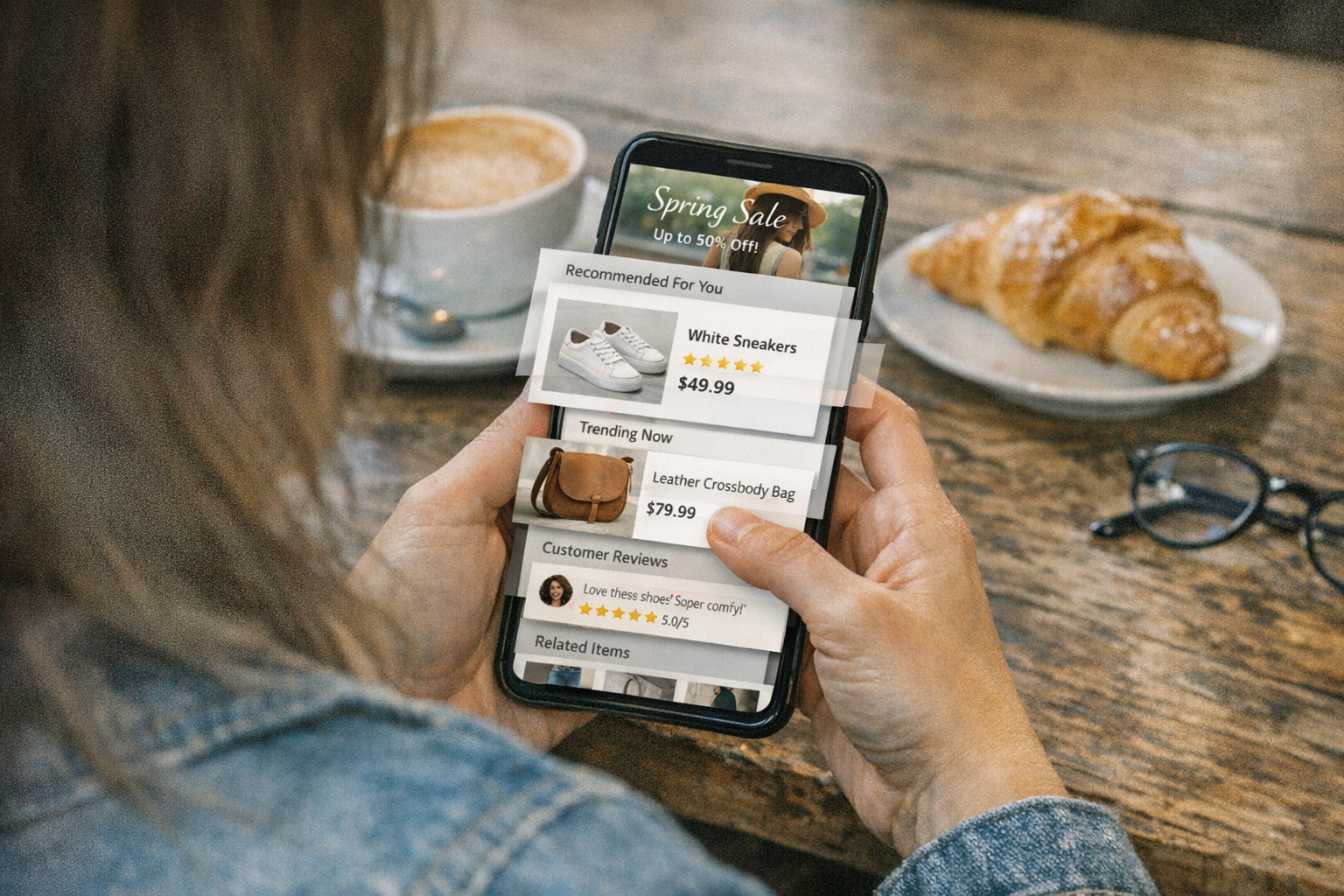
The short answer is this. How immersive digital experiences are changing online brand storytelling comes down to one big change. People are no longer just reading a brand story. They're taking part in it.
Traditional online storytelling is mostly passive. You scroll, read, maybe watch a video, and move on. The brand speaks, and you listen. That can still work, but it often fades fast, like a billboard seen from a moving car.
Immersive digital experiences work differently. They respond to your actions. You rotate a product in 3D. You reveal details as you scroll. You place an item in your room with AR, which means augmented reality, or digital layers added to the real world. You answer a short prompt and get content shaped to your interests.
That changes three things at once. Attention lasts longer because you're doing something. Memory gets stronger because participation helps ideas stick. And engagement feels more personal because the story reacts to you.
So the brand narrative stops being a fixed speech. It becomes an environment. More like walking through a concept store than reading a brochure. Clean, responsive, and a little cinematic. But still useful. That's the core of the shift.
What makes a digital brand experience immersive?
Immersion isn't just motion, glossy visuals, or dramatic sound. It's the feeling that the experience notices you and responds in meaningful ways. That's what turns a screen into a story space.
One part is personalization. A site might change recommendations based on what you viewed, where you clicked, or what quiz result you got. Not in a creepy way, ideally. More like a smart shop assistant who remembers what style you liked five minutes ago.
Another part is interactivity. Instead of being told what a product can do, you test it, configure it, compare versions, or explore a feature through touch, click, or swipe. On mobile, that might be a guided product story. On the web, it could be a scroll sequence that reveals layers of information at the right pace.
Then there's sensory design. This includes motion, sound, depth, contrast, and visual rhythm. Used well, these cues guide attention the way lighting and music shape a physical store. In VR, that can mean full spatial presence. In AR, it might mean placing a sneaker on your floor or seeing how a lamp fits your desk.
Real-time response matters too. When content reacts instantly, people feel in control. And that control helps create emotional recall. You don't just remember what you saw. You remember what you did.
Why immersive storytelling matters now

This shift isn't happening by accident. It's a response to how people actually discover and judge brands in 2024 and 2025.
Attention is fragmented. Deloitte's 2024 Digital Media Trends report points to continued splitting of time across streaming, social media, gaming, and mobile apps. People move fast. They skim, compare, swipe away, then come back later from another device. A flat page often can't carry enough energy to hold that kind of attention.
At the same time, first impressions happen almost instantly. Google research has long shown that users form opinions about web experiences within seconds, sometimes even faster than that. So a brand has a tiny window to feel clear, credible, and distinct.
That's where immersion helps. Not because every site needs flashy effects. Actually, no. The point is that interaction gives people a reason to stay. A product demo they can control feels more useful than a long block of copy. A visual story that unfolds with scrolling can explain more with less effort.
Digital-first discovery also keeps growing. For many brands, the first touchpoint isn't a store. It's a phone screen, a social post, a search result, or a shared link. If that's where the relationship starts, the story has to do more than look good. It has to create recall in a crowded feed and make sense fast.
Formats brands use for immersive online storytelling
Different formats suit different goals. The strongest ones don't just decorate content. They give the story a clear shape and a reason to interact.
| Format | Best use case | Storytelling strength |
|---|---|---|
| Scroll-based narratives | Launch pages, editorial microsites, campaign storytelling | Controls pacing and reveals ideas step by step |
| 3D product interaction | Tech, fashion, furniture, automotive | Helps people inspect details and builds product confidence |
| AR overlays | Try-ons, home placement, packaging experiences | Connects the digital story to real-world context |
| VR spaces | Virtual showrooms, events, training, branded worlds | Creates a strong sense of presence and exploration |
| Gamified journeys | Loyalty campaigns, onboarding, education | Turns progress into motivation and repeat engagement |
| Data-driven content experiences | Personal reports, calculators, interactive explainers | Makes the story feel relevant to each person |
A few real-world style examples make this clearer. A furniture brand might use AR so you can place a chair in your room before buying. A beauty brand could offer a virtual try-on through a mobile camera. A tech company might build a product configurator that lets you rotate a device, swap colors, and see specs update in real time.
And then there are editorial microsites. These are campaign pages built like short digital films, where text, video, animation, and scrolling work together. When done well, they feel smooth and focused, not overloaded. That's the sweet spot.
How brands build immersive stories without losing clarity

Immersive design works best when the story stays simple. The experience should feel advanced, but never confusing. That's harder than it sounds.
Define the story before the effects
Start with one message. One audience goal. One emotional outcome. Maybe the goal is trust. Maybe it's curiosity. Maybe it's confidence before purchase.
That message should guide every choice after that. If the story is about precision, the interactions should feel sharp and controlled. If it's about comfort, the pacing should feel calm and easy. Motion, 3D scenes, and sound are support tools. They're not the main plot.
A good test is simple. If you remove the effects, does the message still make sense? If not, the story probably isn't clear enough yet.
Map interaction points across the journey
Next, decide where people will act. Scroll. Tap. Hover. Swipe. Compare. Explore. Each moment should have a purpose.
Think about the user journey in small steps. What do they need to understand first? What should they feel curious about next? Where might they hesitate? That's where interaction can help reduce friction. A 3D viewer can answer product questions. A guided comparison can simplify choice. A short quiz can personalize the path.
Wait, let me clarify. More interaction doesn't always mean more immersion. Too many choices can feel like noise. The strongest journeys use just enough input to keep people involved without making them work too hard.
Design for speed and accessibility
Fast loading matters. A slow experience breaks the illusion right away. Brands often use progressive enhancement, which means the core page works first, then richer effects load on capable devices.
That also means keeping key content visible even if someone never interacts. Product details, prices, and main messages should never hide behind animation. Test on slower mobile networks, because that's where many first visits happen.
Accessibility matters just as much. Support keyboard navigation so people can move without a mouse. Use alt text for images. Add captions for video and audio. Keep text contrast readable. Respect reduced-motion settings for people who get dizzy from heavy movement. An immersive story should feel open, not exclusive.
Common mistakes that weaken immersive brand experiences
Immersion falls apart when the experience forgets its job. People still need clarity, speed, and control. Without those, even beautiful work feels frustrating.
Here are the mistakes that show up most often.
- Effects without purpose. Motion that doesn't explain, guide, or support the message becomes visual noise.
- Too much complexity. If users need to guess where to click or how to move forward, the story has already lost momentum.
- Slow load times. Heavy videos, large 3D files, and unoptimized scripts can make people leave before the story begins.
- Hidden information. If pricing, features, or key details only appear through interaction, some users will miss them.
- Poor accessibility. Low contrast, no captions, no keyboard support, and motion overload shut people out.
- Weak feedback. Users need clear signals that something happened after a tap, swipe, or click. Nielsen Norman Group has long stressed visibility, feedback, and low cognitive load for good reason.
A useful rule is this. If the design feels like a puzzle, it's not immersive. It's just hard to use. The best experiences feel smooth, obvious, and quietly futuristic.
Final Words
Static pages aren't disappearing. But their role is changing. How immersive digital experiences are changing online brand storytelling is really about turning brand messages into something people can enter, shape, and remember.
The strongest examples don't chase novelty for its own sake. They use interaction, motion, personalization, and sensory design with restraint. Clear story first. Fast performance next. Usability always.
That's what makes a digital experience feel futuristic in the best way. Not louder. Smarter, cleaner, and more human.
FAQ
What are immersive digital experiences in brand storytelling?
They're interactive digital brand environments that combine motion, personalization, and responsive design to make a story feel participatory instead of passive. Rather than just reading or watching, people explore and influence what they see.
How do immersive experiences improve online brand engagement?
They usually increase time spent, encourage deeper exploration, and make the brand easier to remember. When people interact with a story, they tend to feel more involved and more emotionally connected to it.
Do immersive digital experiences work for non-luxury or smaller brands?
Yes, they do. Smaller brands can use lighter formats like scroll-based storytelling, interactive product pages, AR filters, or simple data-led microsites without building expensive virtual worlds.