How personalized AI recommendations shape culture

One tap, and suddenly the internet feels eerily personal—like it’s reading your mood, your cravings, your culture… but who’s really choosing?
How personalized AI recommendations are changing what culture feels like online
Have you ever opened an app for one quick check, then looked up 20 minutes later and realized it somehow knew exactly what to show you next? That smooth, almost psychic feeling isn't random. It's one of the clearest signs of how personalized ai recommendations are reshaping digital culture. They're not just sorting content. They're steering taste, attention, and even small daily beliefs. So if the internet feels more tailored than ever, there's a reason, and it's changing more than your feed.
Culture is being reshaped one recommendation at a time
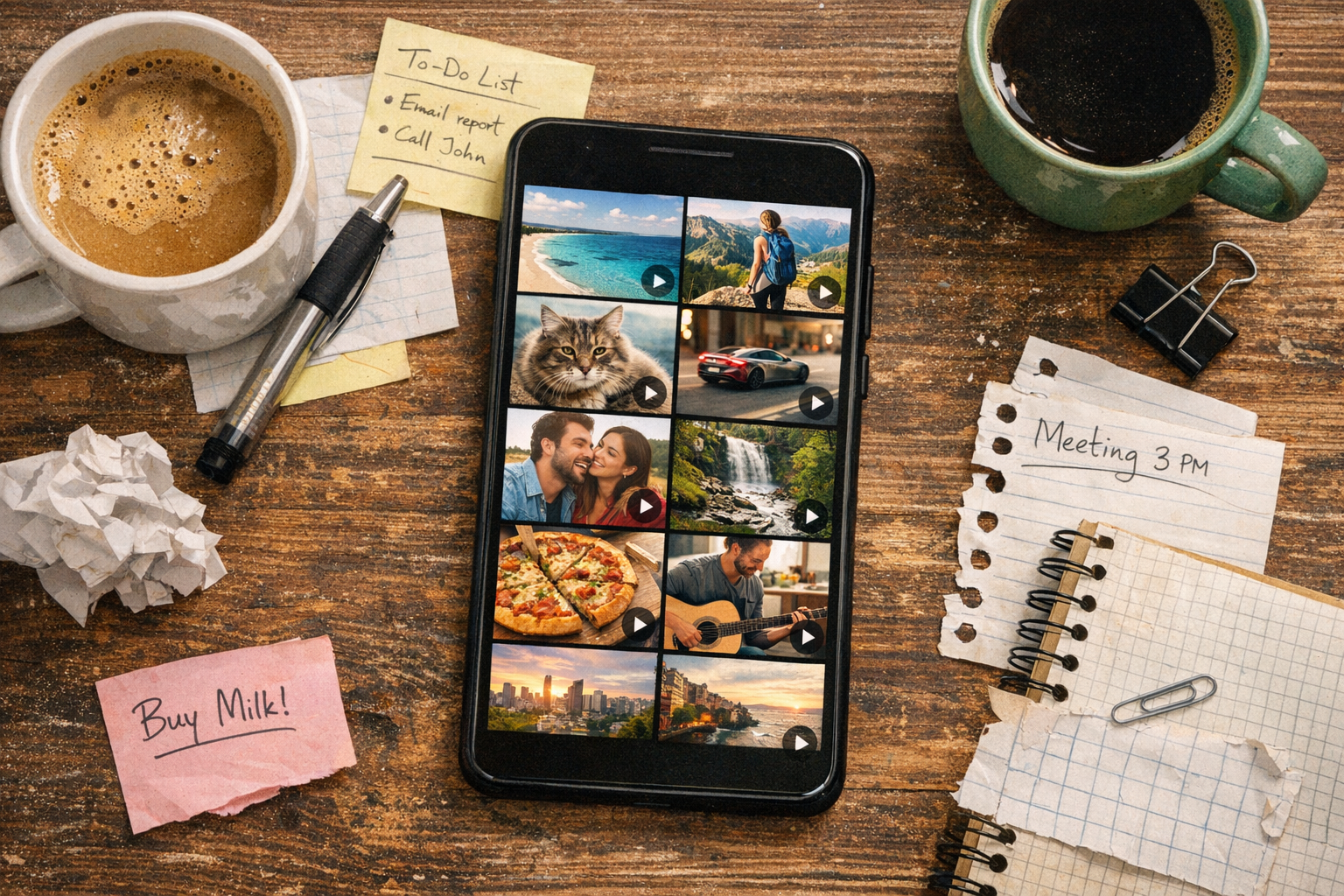
How personalized ai recommendations are reshaping digital culture comes down to one simple shift. They change what people see, watch, buy, and believe online. And because most digital life now runs through feeds, queues, rankings, and suggestions, that shift reaches almost everything.
Think about a normal day. A short video app decides which clip lands first in your feed. A streaming service lines up your next show before you even search. An online store places a product in front of you that feels oddly specific. A news app ranks one headline above another. Small choices, repeated at scale.
That repetition matters. It shapes taste by making certain songs, looks, jokes, and products feel more visible and more normal. It shapes discovery by deciding what gets surfaced first. It shapes attention because the easiest thing to click often wins. And it shapes community behavior, too. People gather around what the system keeps pushing into view.
So this isn't only about software. It's about culture. Recommendation systems quietly influence what's popular, what feels relevant, and what kinds of ideas spread fast. That's why personalization feels so convenient, but also why it can feel a little eerie. It's not just showing you content. It's helping build your digital world.
What personalized recommendations are and how they work
Personalized AI recommendations are systems that predict what you're most likely to engage with next. They use your behavior and context to rank content, products, accounts, or headlines in a custom order. Instead of showing the same thing to everyone, the system builds a different version for each person.
At a basic level, it watches patterns. Not in a dramatic sci-fi way. More like a shopkeeper who notices what you stop and look at, what you pick up, and what you ignore.
From rules to machine learning: a short timeline
Early recommendation systems were pretty simple. In the 2000s, many platforms used editor picks, popularity lists, or basic rules like "people who bought this also bought that." That worked, but only to a point.
In the 2010s, platforms had more data, faster cloud systems, and better machine learning models. So recommendations became predictive. They didn't just react to a click. They started estimating what you might want before you asked. By the early 2020s, this had become central to major apps, from video and music platforms to shopping, maps, and news.
The signals behind the feed
These systems often look at signals like:
- clicks and taps
- watch time and dwell time, which means how long you stay on something
- likes, saves, shares, and follows
- purchase history and cart activity
- repeated searches and revisits
- location, device type, and time of day
- session behavior, like what you do during one visit
Each signal is a clue. One click might not mean much. But hundreds of tiny actions, across days or months, help the system guess what you'll respond to next. That's why your feed can start to feel familiar so fast. It learns from patterns, then serves more of them.
Where personalization changes culture most
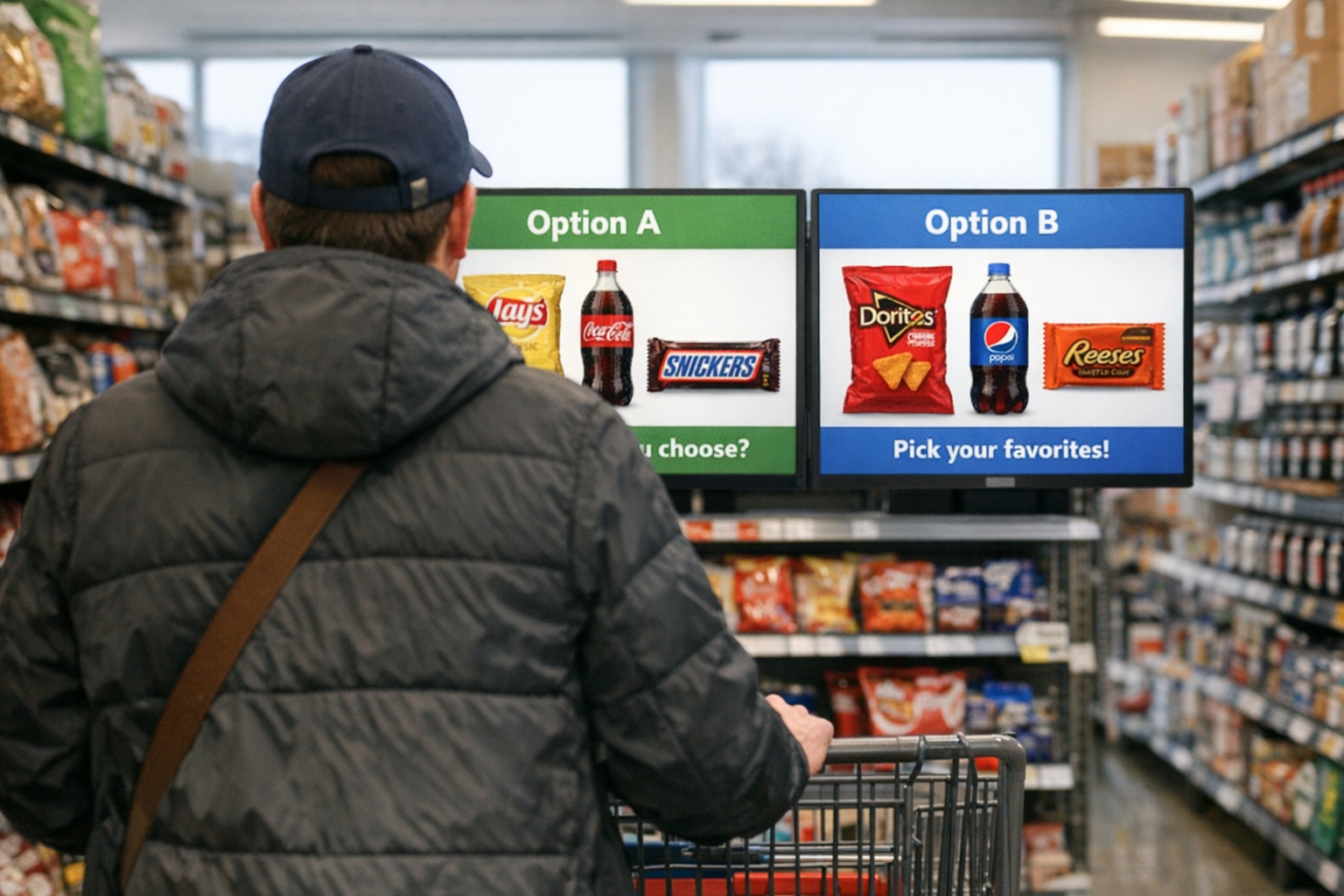
If you want to see how personalized ai recommendations are reshaping digital culture, look at the places where people spend the most time. Social feeds are the clearest example. A "For You" page doesn't just reflect your interests. It actively trains them. If you pause on a certain style of humor, fashion, or opinion, you'll likely see more of it, and soon it can feel like everyone is talking that way.
Streaming platforms work in a similar way. Autoplay queues, suggested playlists, and ranked home screens can turn a niche artist into your whole week. They also change how hits happen. Instead of everyone seeing the same front page, people move through many smaller, personalized pathways. Culture gets more fragmented, but also more intimate.
Shopping platforms shape taste, too. Product suggestions don't only respond to what you need. They influence what you start wanting. A smart recommendation strip can make a color palette, gadget style, or home trend feel current simply because it keeps appearing.
News is where the effect gets heavier. Ranked headlines and personalized stories can change what feels urgent, trustworthy, or worth discussing. And when people see different versions of the world each morning, shared reality gets thinner. That's a big cultural shift, even if it arrives through something as ordinary as a morning scroll.
Why it feels helpful, and why it can narrow discovery
Personalization feels good because it removes friction. You don't have to search as much. The next song starts. The next video loads. The next product seems close to what you had in mind. Digital spaces feel faster, smoother, almost responsive in a human way.
That's the upside. The system saves time and makes massive platforms feel personal. For busy people, that's genuinely useful.
But the same loop can narrow what you see. If you watch a few minimalist desk setup videos, your feed may begin filling with the same silver laptops, neutral rooms, and productivity routines. Then more creators copy that style because it performs well. Soon it doesn't just look popular. It starts to feel like the default.
And that happens with opinions, too. If you keep engaging with one type of political take, wellness advice, or money mindset content, the system may keep feeding that same angle back to you. Not because it's the full picture. Just because it predicts you'll stay. Over time, repeated exposure can shape identity. You may start thinking, buying, and reacting inside a narrower lane without fully noticing. Convenient. But costly.
Trust, privacy, and the invisible data layer

A big part of how personalized ai recommendations are reshaping digital culture has nothing to do with the content itself. It's the feeling that the system is always observing, always learning. Many users know apps collect data, but fewer know how much can be inferred from small actions. A pause, a rewatch, a late-night search, a store visit tied to location data. Tiny traces add up.
That matters for trust. If a platform can't clearly explain why you're seeing something, the experience starts to feel opaque. Useful, yes. But also hard to question. Well, actually, that's the deeper issue. People aren't only reacting to content. They're reacting to systems they can't fully see.
Privacy concerns grow when data moves across services. Ad networks, cross-app tracking, and profile matching can help platforms build a richer picture of you than any single app could on its own. That can make recommendations sharper, but it can also make people more cautious about what they click, search, or linger on.
So the cultural impact isn't only about visibility. It's also about behavior under observation. When people feel watched, they may self-edit. They may trust less. And they may begin treating digital life as a space where convenience always comes with a trade.
How users can regain control of recommendations
You can't fully step outside personalization on most major platforms. But you can push back. And if you're wondering how personalized ai recommendations are reshaping digital culture, this is the practical side of that answer. The same systems that learn from your behavior can also relearn when your behavior changes.
Fast ways to retrain a feed
Try these controls first:
- Use "not interested," "show less," "hide," or "don't recommend this channel" when unwanted content appears.
- Clear watch history, search history, or shopping history in account settings when a platform starts looping the same themes.
- Reset ad preferences and limit ad tracking on your phone, browser, and app accounts.
- Unfollow, mute, or block sources that keep pushing your feed in one narrow direction.
- Interact with new topics on purpose for a few days or weeks. Consistency matters more than one random click.
Most systems don't change instantly. But repeated signals work. If you stop feeding one pattern and start feeding another, the recommendation layer usually shifts with you.
Build a healthier discovery mix
A healthier digital diet needs more than one app. Follow fewer accounts that all post the same style or viewpoint. Check at least two news sources with different editorial voices. Search directly instead of only taking what the home feed offers.
And sometimes, browse with intent. Pick a topic, look beyond the first recommendation row, and spend time with things that don't match your usual pattern. That's often where fresh ideas live.
Final Words

Every scroll, queue, and suggestion adds up. That's really the core of how personalized ai recommendations are reshaping digital culture. They shape taste, attention, and community behavior while making digital life feel faster and more personal.
But convenience has a price. It can reduce variety, blur privacy lines, and quietly narrow what feels normal.
The good news is that these systems do respond to your choices. A few settings changes, a wider mix of sources, and more intentional clicks can make your digital world feel smarter without feeling smaller.
FAQ
What are personalized AI recommendations?
They're systems that use behavioral and contextual data to predict what content, products, or accounts you're most likely to engage with. They then rank and display those options in a custom order for you.
How do AI recommendations influence what people see online?
They shape visibility by ranking feeds, autoplay queues, search results, product suggestions, and news stories. That affects what you discover, what holds your attention, and even what starts to feel popular or true.
Can users control or reset personalized recommendations?
Yes, often at least partly. You can usually clear watch or search history, use "not interested" controls, adjust ad and privacy settings, and change what you follow or engage with to retrain the system.